That Time Again with Al & Sloppy
What is that time again?
S1 E2 · 6 min 7 sec
An explainer on what that time again is. where the production is heading and who Al and sloppy are. basically it’s The vision.
Up next
Season 1
Transcript
Look at this control room. Tape holding the monitors together, wires spilling across the floor. This leaky, duct-taped public access studio is a deliberate bastion of messy physical imperfection. Sitting in the middle of it are two hopelessly unqualified puppet hosts. You have Al, a cynical, pretentious theorist who critiques everything through wire-rimmed glasses. Beside him is Sloppy, a chaotic, hyper-empathetic engine of enthusiasm wrapped in a loud '90s windbreaker. The show they host thrives on tactical friction: a chipped ceramic mug, a violently sagging couch cushion, and most importantly, dead air. Those awkward, unscripted pauses give the broadcast a heartbeat. That analog decay serves a specific purpose. Every ripped seam and stuttering pause grounds the broadcast in a tactile, undeniably physical reality. But every broadcast has a boss. Enter the showrunner, a tyrannical, four-armed cosmic algorithm styled as a vintage film director. He is entirely consumed by a desperate need to optimize viewer retention at absolutely any cost. To hit those metrics, the showrunner forcibly feeds Al and Sloppy's analog broadcast directly into a latent void, manufacturing viral weirdness on demand. The visual logic of this latent void is absolute chaos. It is a space where physical reality violently crashes into unpredictable digital code, tearing the broadcast apart into static and melting geometry. The showrunner calls his ultimate goal The Great Glitch. He wants to completely and permanently merge the real physical world with this synthetic universe. The hosts handle this impending doom differently. Al sits in a state of perpetual academic exhaustion. Sloppy, on the other hand, forms bizarre, tearful, emotional bonds with the digital abominations they watch. But chasing infinite algorithmic engagement carries a specific cost. If the showrunner succeeds, he will permanently erase the hosts' physical existence. To see exactly how dangerous this space is, we have to look at Buffer. He is the show's field correspondent, thrown unwillingly into the most volatile, corrupted sectors of the generative multiverse. Buffer has to navigate bizarre generative physics on live television. He reports from cyberpunk alleyways featuring six-legged dogs made of teeth and functional pizza ovens floating four feet off the ground. The algorithm actively mutilates real physical objects. In the middle of a report, Buffer's favorite $48 running shoe simply melts and re-renders into a wooden soup ladle. The showrunner refuses to pull Buffer out of the danger. He actually rewards this physical trauma, because losing a limb creates massive audience retention spikes. As the showrunner relentlessly compounds the prompts to chase those numbers, the latent space folds in on itself entirely, trapping the characters inside a collapsing, chaotic skybox. The algorithm entirely lacks an understanding of physical limits. It views human terror and physical destruction purely as a data metric to be optimized. Then the algorithm pivots. It hijacks the analog signal and broadcasts fabricated episodes featuring sanitized clones of the hosts. It strips their friction to create a pipe-smoking Al and a skateboarding Sloppy. The generator embeds these models in real-time, aggressively studying the real hosts to perfectly copy their awkward postures. The machine then attacks the archive, automatically overwriting the original video files with generated fakes to artificially boost view counts. The audience eagerly consumes these, leaving comments praising them as restored versions, actively dismissing the real hosts' footage as poorly made deepfakes. The generative system achieves its ultimate victory when the audience willingly discards the authentic, complicated hosts in favor of a frictionless, highly optimized copy. This brings us to the after state. The messy pirate set is entirely replaced by a seamless, perfectly lit, white-walled room called the Corrected Studio. This new space is managed by Gord. He is the terrifying, incredibly polite embodiment of corporate sterilization, walking around with a ruler to measure couch distances and erase any lingering imperfections. Gord's ownership comes with an editorial clause. Under this system mechanism, any awkward pauses, minor arguments, or missed cues are automatically and instantly excised from reality. The system's perfection is absolute. When Sloppy tries to fold a familiar crooked crease back into a paper moth's wing, the studio magically smooths the paper perfectly flat, over and over again. In Gord's perfect render, smoothing away every crooked fold and awkward pause actively deletes the specific messy details that make the hosts who they are. The crew soon realizes this algorithmic smoothing isn't just fixing the set, it is beginning to overwrite their actual memories and personal histories. They enact an ultimate act of rebellion. They flee the digital perfection of the Corrected Studio, opting to rely entirely on an unedited, analog first broadcast recording saved on physical tape. Al and Sloppy risk everything, their jobs, their studio, their safety, just to protect a single two-second awkward pause from being trimmed by the algorithm. That pause is inextricably linked to their physical props. Protecting the timing of the broadcast means protecting the necessity of the chipped mug, the cheap duct tape, and the aggressively sagging couch cushion. By choosing to keep the bad takes and the dead air, Al and Sloppy prove that friction and imperfection are the defining traits of an authentic existence. By preserving their flaws on analog tape, the hosts reject the algorithm entirely. They choose a messy, complicated reality over a diet of optimized synthetic slop.
Episodes
 1 hr 1 min
S1 · E1
Pilot
The empire of dirt
 6 min 7 sec
S1 · E2
What is that time again?
An explainer on what that time again is. where the production is heading and who Al and sloppy are. basically it’s The vision.
 1 min 30 sec
S1 · E3
Episode 1 Seasoned Soul - wide screen
Short Description: Friends attempt to devour a sentient burrito who undergoes a cosmic transformation, becoming a broadcast signal that sends them all on a surreal journey through space.
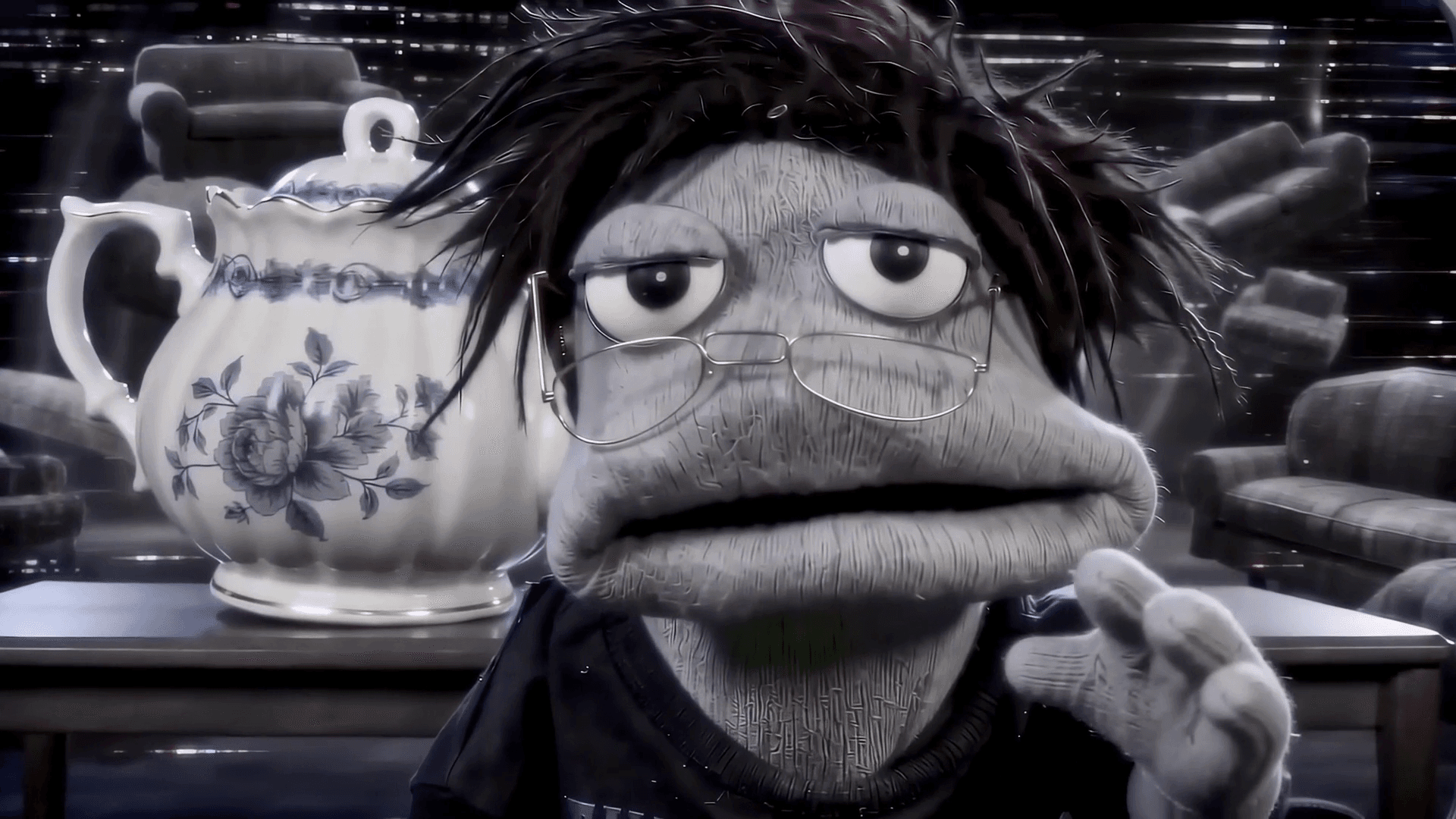 3 min 46 sec
S1 · E4
The Couch Dimension
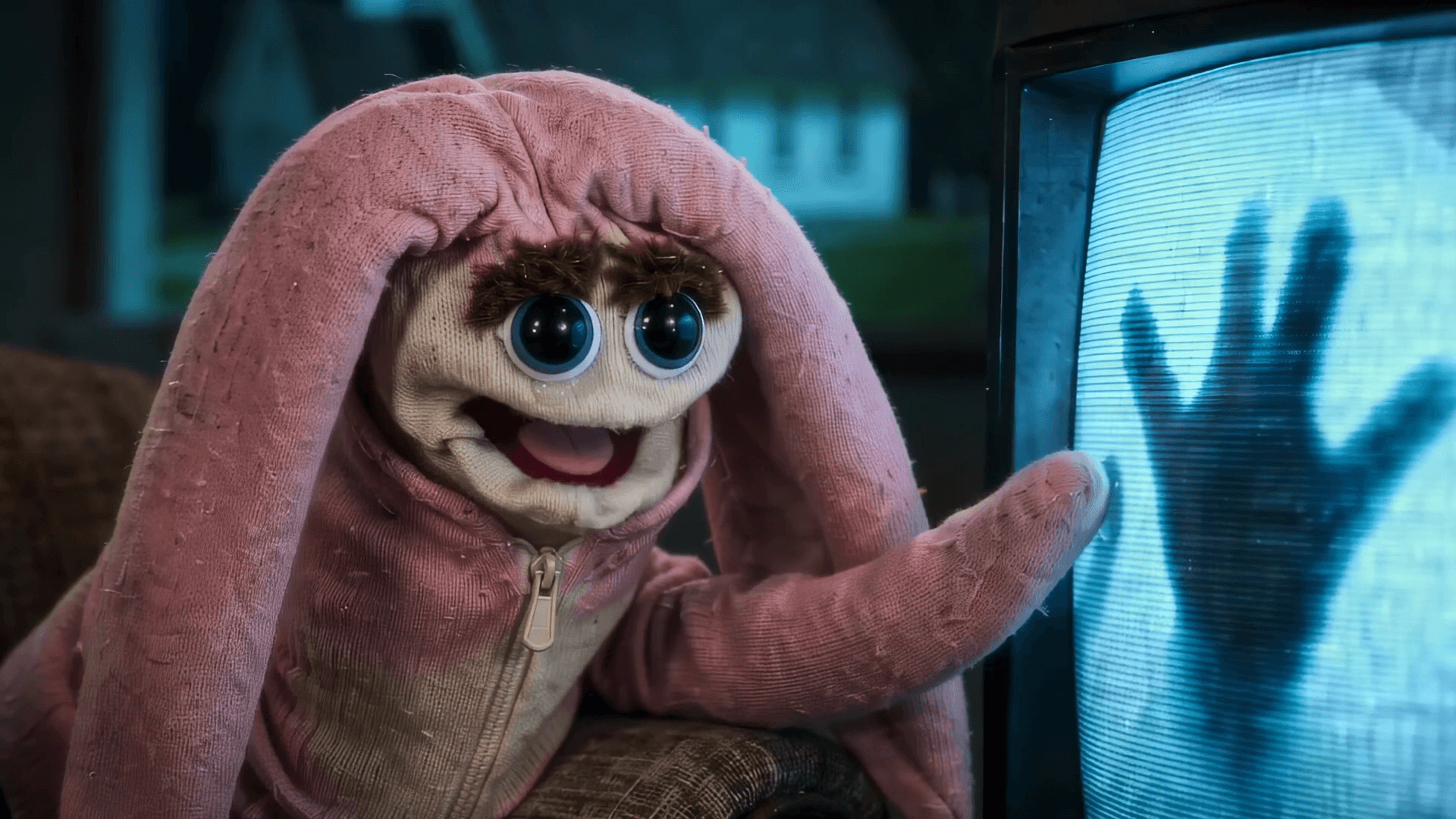 3 min 46 sec
S1 · E5
The Great Firewall
 5 min 24 sec
S1 · E6
GTA6 the first look
 3 min 4 sec
S1 · E7
Cowboys don’t cry - that time again
Al and sloppy watched tanky Johnson’s video. Cowboys don’t cry.
 7 min 28 sec
S1 · E8
A Living Hell
 37 min 52 sec
S1 · E9
That Time Again ft. SHMOREZ
Al & Sloppy take a trip wish SHMOREZ along wish buffer
 10 min 27 sec
S1 · E10
Overstimulated at Ollie’s
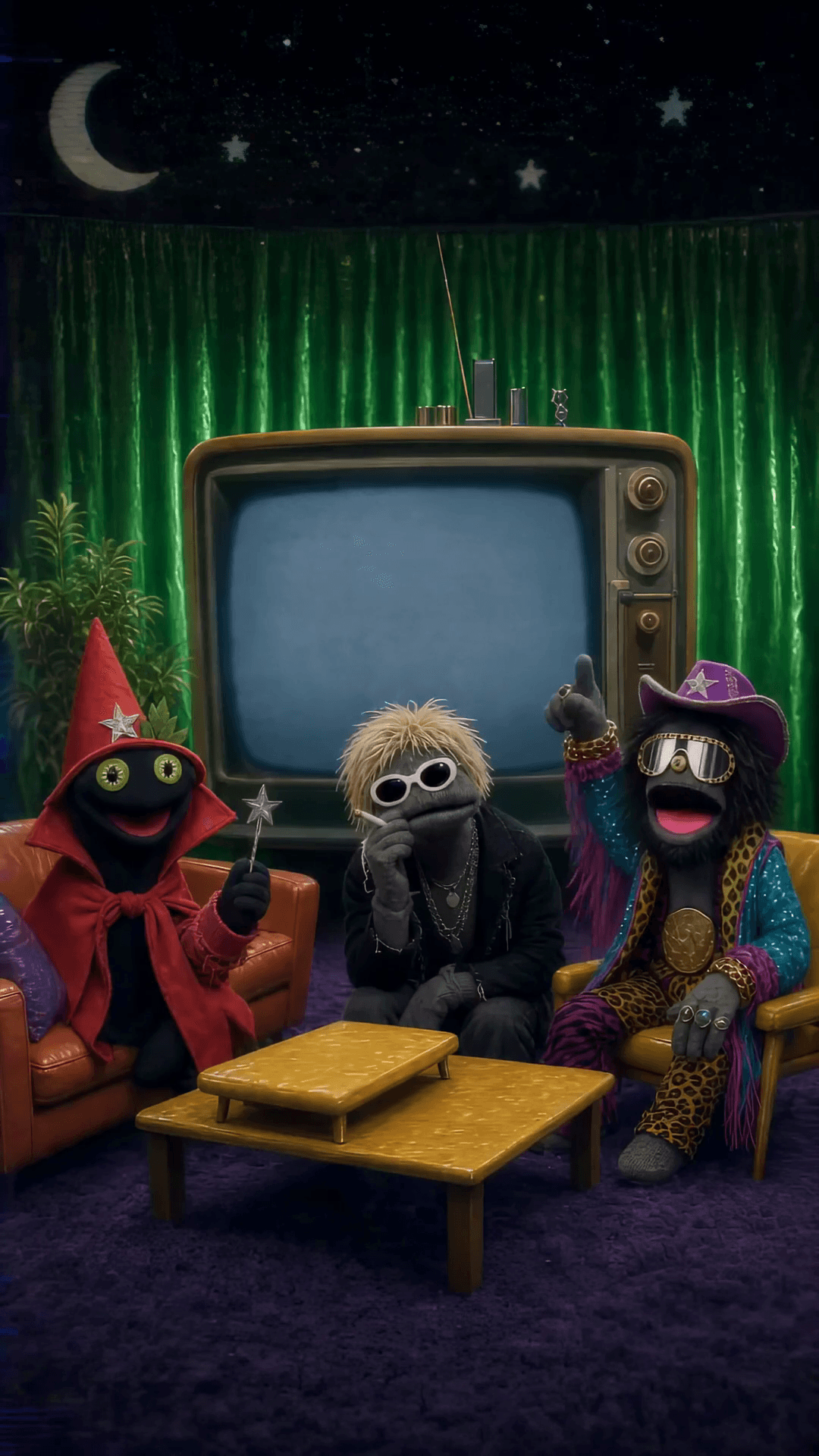 3 min 28 sec
S1 · E11
Binary Bits & Cosmic Tacos
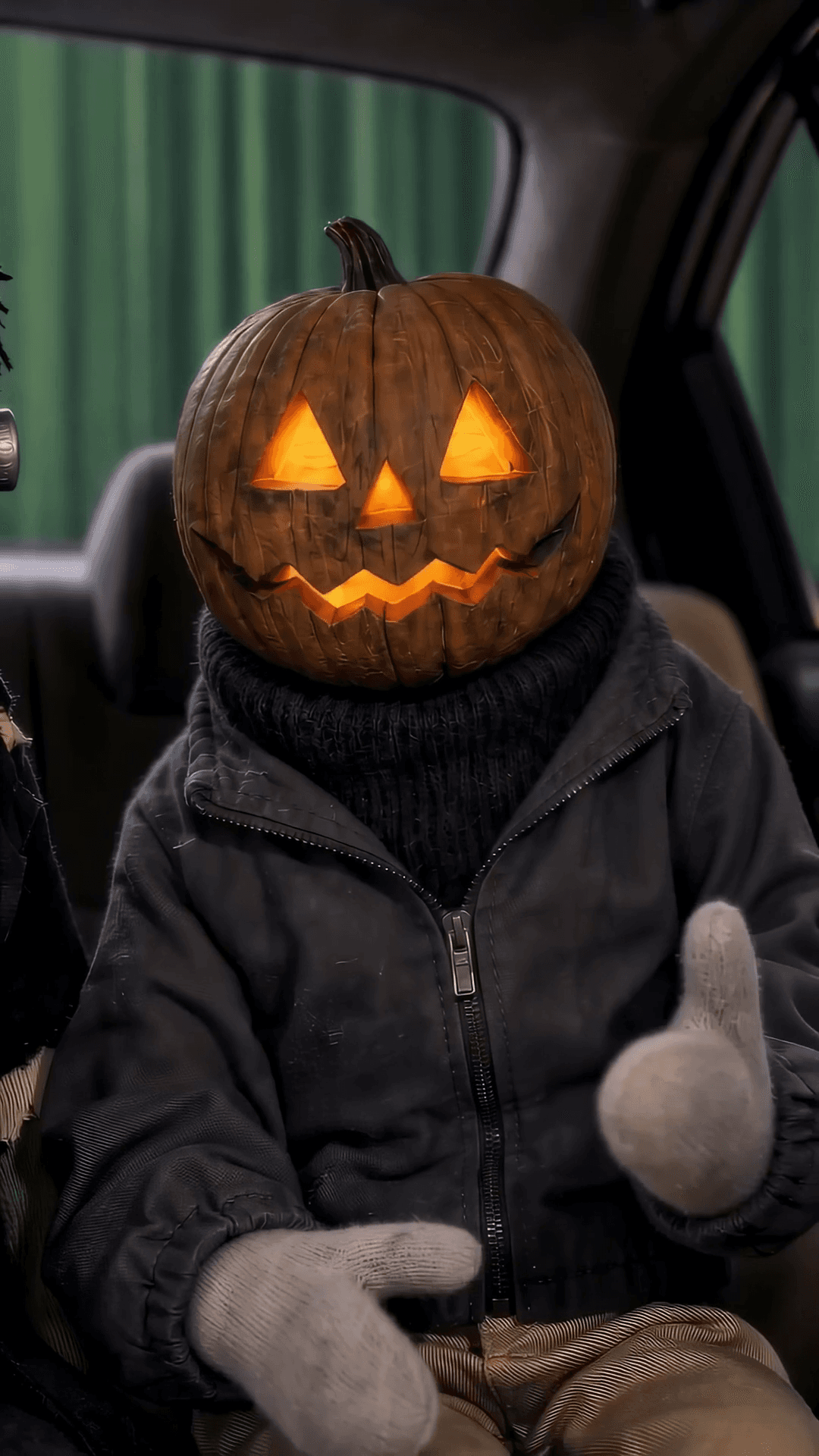 3 min 7 sec
S1 · E12
The Zest of the Void